
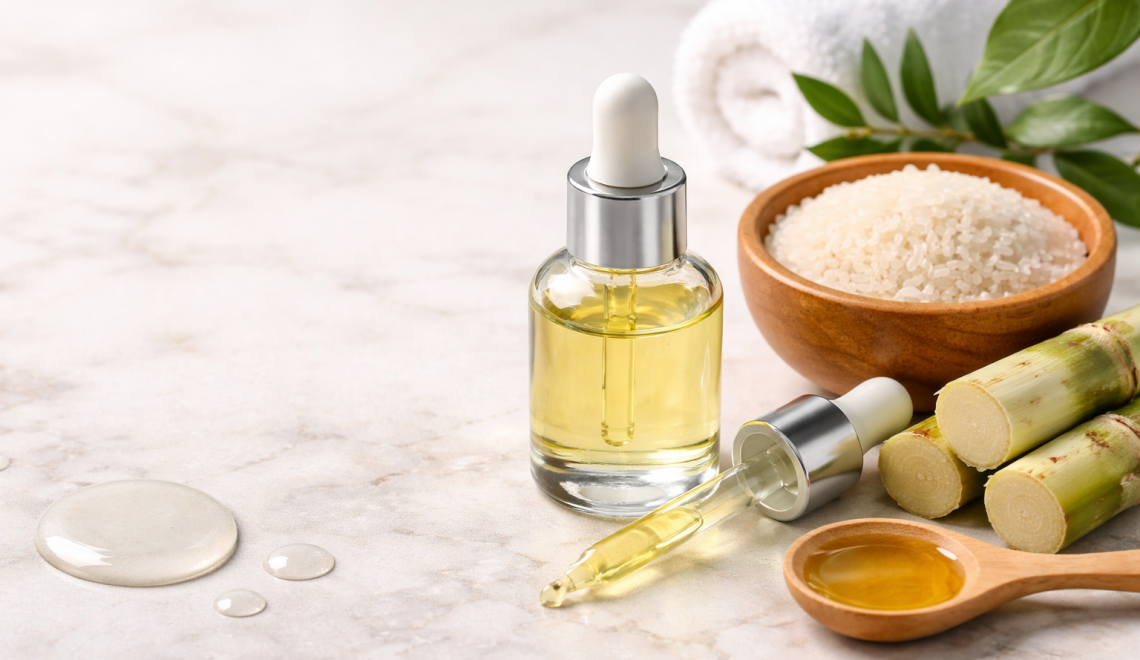
If you’ve ever scanned the back of a skincare product and wondered what squalane actually is, you’re definitely not alone.
With so many trending ingredients in the beauty world, it’s easy to feel overwhelmed — especially when everything promises glowing, hydrated skin. But squalane is one of those rare ingredients that lives up to the hype. It’s simple, gentle, and incredibly effective.
In this guide, we’ll break down exactly what squalane is, how it benefits your skin, and whether it’s truly a sustainable skincare choice — so you can decide if it deserves a place in your routine.
What Is Squalane? (Quick Answer)
Squalane is a lightweight, non-comedogenic oil derived from squalene — a natural component of your skin’s sebum. It is used in skincare to hydrate the skin, lock in moisture, and support the skin barrier without clogging pores.
It’s gentle, stable, and suitable for almost all skin types.
Quick Summary: Is Squalane Right for You?
- Type: Emollient (moisturising oil)
- Best for: Dry, sensitive, acne-prone, and combination skin
- Texture: Lightweight, fast-absorbing oil
- Key benefit: Locks in moisture and supports skin barrier
- Clogs pores?: No (non-comedogenic)
- Safe for daily use?: Yes
What Is Squalane?
Squalane is a lightweight, nourishing oil used in skincare to hydrate and protect the skin.
It’s actually derived from squalene — a naturally occurring substance produced by your body’s sebaceous (oil) glands. Squalene helps keep your skin soft, smooth, and moisturised.
However, squalene in its natural form is unstable and can oxidise when exposed to air — which makes it unsuitable for long-term use in skincare products.
That’s where squalane comes in.
Squalane is a stabilised version of squalene, meaning it has a longer shelf life and maintains its effectiveness without breaking down. This makes it perfect for use in oils, serums, and moisturisers.
In simple terms:
Squalane is a stable, skin-friendly oil that mimics your natural skin oils.
Squalane vs Squalene: What’s the Difference?
Although the names sound almost identical, squalane and squalene are not the same.
| Feature | Squalene | Squalane |
|---|---|---|
| Source | Naturally produced by skin | Derived from squalene |
| Stability | Unstable (oxidises easily) | Stable |
| Use in skincare | Rarely used directly | Widely used |
| Texture | Lightweight oil | Lightweight oil |
Because of its stability, squalane is the version you’ll find in skincare products, not squalene.
Benefits of Squalane for Skin
Squalane has become a staple in modern skincare — and for good reason. It’s gentle, versatile, and works well for almost every skin type.
Let’s explore its key benefits.
Deep Hydration Without Greasiness
Squalane acts as an emollient, meaning it helps to soften and smooth the skin while preventing moisture loss. One of the biggest advantages of squalane is its ability to deeply hydrate the skin without feeling heavy or oily.
Unlike heavier oils, squalane is:
- Lightweight
- Fast-absorbing
- Non-sticky- doesn’t leave a greasy residue
If you struggle with dryness but dislike greasy products, squalane is a perfect balance.
Suitable for All Skin Types
One of the reasons dermatologists often recommend squalane is because it closely mimics your natural sebum.
Squalane is considered a non-comedogenic oil, meaning it won’t clog your pores.
This makes it suitable for:
- Dry and oily skin
- Combination skin
- Sensitive skin
- Acne-prone skin
Because it closely mimics your skin’s natural oils, your skin recognises it easily — reducing the risk of irritation or breakouts.
Supports a Healthy Skin Barrier
Your skin barrier plays a crucial role in protecting against environmental stressors like pollution, harsh weather, and bacteria.
Squalane helps to:
- Strengthen the skin barrier
- Prevent moisture loss
- Reduce sensitivity
A strong skin barrier = calmer, smoother, healthier-looking skin.
Softens Fine Lines and Adds Glow
Hydrated skin naturally appears smoother and more radiant.
With consistent use, squalane can:
- Improve skin elasticity
- Soften the appearance of fine lines
- Enhance your natural glow
While it’s not a “miracle anti-ageing” ingredient, consistent use can leave your skin looking softer and more youthful.
Works Well With Other Ingredients
Squalane layers beautifully with other skincare ingredients, making it easy to include in your routine.
It pairs well with:
- Retinol
- Hyaluronic acid
- Niacinamide
- Vitamin C
Squalane vs Hyaluronic Acid: Which Is Better?
This is one of the most searched skincare questions — and the answer is: they work better together.
- Hyaluronic acid = attracts water into the skin (hydration)
- Squalane = locks that moisture in (sealing step)
Think of it like this:
- Hyaluronic acid fills your skin with hydration
- Squalane keeps it there
For best results, use both.
Squalane vs Other Oils
If you’re deciding between oils, here’s how squalane compares:
- Jojoba oil: Also mimics sebum but slightly heavier
- Rosehip oil: Rich in vitamins but can feel richer on skin
- Squalane: Lightest, simplest, and most beginner-friendly
If you’re new to facial oils, squalane is often the easiest place to start.
How to Use Squalane in Your Skincare Routine
One of the best things about squalane is how easy it is to use. You don’t need a complicated routine to benefit from it.
When to Apply Squalane
Squalane is typically used as the last step in your skincare routine (or just before SPF in the morning).
This is because it acts as a seal, locking in all the hydration from your previous products.
Simple routine example:
- Cleanser
- Toner (optional)
- Serum
- Moisturiser
- Squalane oil
How Much Should You Use?
A little goes a long way.
- Use 2–3 drops for your entire face
- Gently press into the skin (don’t rub harshly)
Can You Use It Every Day?
Yes — squalane is gentle enough for daily use, both morning and night.
Who Should Use Squalane?
Squalane is ideal if you:
- Have dry or dehydrated skin
- Want a simple, minimal routine
- Have sensitive or reactive skin
- Are new to skincare
Is Squalane Sustainable?
Sustainability is an important (and often overlooked) part of skincare — and squalane has a complex history.
Where Does Squalane Come From?
Traditionally, squalane was derived from shark liver oil, which raised serious ethical and environmental concerns.
Sharks were harvested specifically for this ingredient, contributing to marine ecosystem damage.
Thankfully, the beauty industry has evolved.
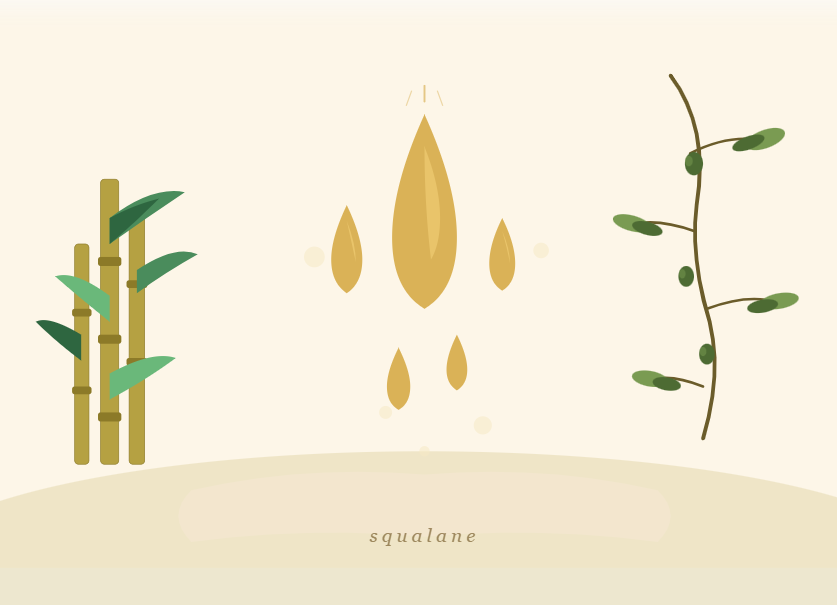
Today, most squalane is sourced from plant-based alternatives, including:
- Olives
- Sugarcane
- Rice bran
Why Sugarcane-Derived Squalane Is Trending
Modern skincare brands are increasingly using sugarcane-derived squalane, produced through biotechnology.
This method is:
- Renewable
- Low-impact
- Highly sustainable
Plant-Based vs Shark-Derived Squalane
Shark-derived squalane:
- Harmful to marine life
- Increasingly banned or avoided- ethically controversial
Plant-derived squalane:
- Vegan and cruelty-free
- Renewable and eco-friendly
- Widely used in modern skincare
Most reputable skincare brands now use 100% plant-derived squalane.
How to Choose Sustainable Squalane
When shopping for squalane products, look for:
- Labels that say “plant-derived” squalane
- Vegan and cruelty-free certifications
- Transparent ingredient sourcing
Brands that clearly state their sourcing practices are usually the most trustworthy.
Are There Any Side Effects?
Squalane is considered one of the safest skincare ingredients available.
For most people, it causes little to no irritation.
However, as with any product:
- Everyone’s skin is different
- Some people may experience mild breakouts
To stay safe:
- Introduce it slowly into your routine
- Always do a patch test before full use
FAQs About Squalane
Is squalane good for acne?
Yes — squalane is non-comedogenic and can actually help balance oil production, making it suitable for acne-prone skin.
Can I use squalane every day?
Absolutely. It’s gentle enough for daily use, both morning and night.
Does squalane clog pores?
No — squalane is lightweight and designed to mimic your natural skin oils, so it won’t clog pores.
Is squalane better than hyaluronic acid?
They do different things.
- Hyaluronic acid attracts water into the skin
- Squalane locks that moisture in
They actually work best when used together.
Can I use squalane with retinol?
Yes — squalane can help reduce dryness and irritation from retinol.
What Does Squalane Do for Skin?
Squalane helps to hydrate the skin, strengthen the skin barrier, prevent moisture loss, and improve softness and elasticity. It mimics the skin’s natural oils, making it suitable for all skin types, including oily and acne-prone skin.
Final Thoughts: Is Squalane Worth It?
If you’re looking for a simple, effective ingredient that supports healthy, hydrated skin, squalane is absolutely worth trying.
It’s:
- Easy to use
- Deeply hydrating
- Gentle and non-irritating
- Lightweight and non-greasy
- Suitable for almost every skin type
- Compatible with most routines
And with modern plant-based sourcing, it’s also a more sustainable choice than ever before.
Whether you’re building your first skincare routine or simplifying your current one, squalane is one of those reliable ingredients you can always come back to.
Gentle Reminder
Skincare doesn’t have to be complicated.
Sometimes, the most effective routines are built around simple, nourishing ingredients — and squalane is a perfect example of that.


