
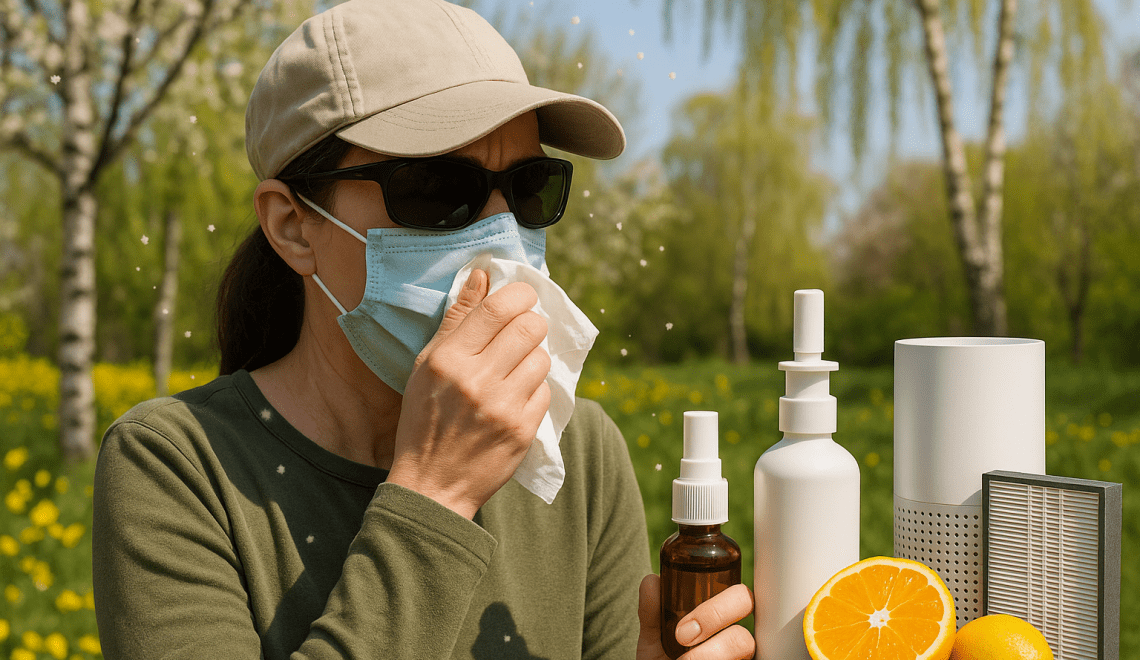
Spring brings flowers, sunshine—and for many, allergy season misery. If you’re one of the millions who experience itchy eyes, sneezing, or a runny nose as trees and flowers bloom, you’re likely dealing with pollen allergies, also known as seasonal allergic rhinitis or hay fever.
This blog post breaks down:
- How to recognize pollen allergy symptoms
- What causes them
- How to prevent and treat seasonal allergies naturally and effectively
🌿 What Are Pollen Allergies?
Pollen allergies occur when your immune system reacts to airborne pollen from trees, grasses, or weeds as if it were a harmful invader. This triggers inflammation in the nose, eyes, throat, or skin—leading to uncomfortable symptoms that often resemble a cold.
Common springtime pollen sources include:
- Cypress trees
- Poplar trees
- Willows
- Elms
- Birch trees
Because pollen grains are tiny and easily carried by the wind, exposure is hard to avoid—especially in high-pollen months like March through May in many parts of the world.
🔍 Recognizing Seasonal Allergy Symptoms
It’s important to distinguish pollen allergy symptoms from a regular cold or flu. Here are the key differences:
Symptoms:
- Persistent sneezing (often in bursts of 3–10 times)
- Itchy or runny nose
- Nasal congestion
- Difficulty breathing through the nose
Cold vs Allergy Tip:
Colds often cause fatigue, muscle aches, and fever—pollen allergies do not. If your nose is itchy and symptoms persist for weeks without fever, it’s likely allergies.
👁️ Allergic Conjunctivitis (Eye Allergies)
Symptoms:
- Itchy, watery, or red eyes
- Puffy eyelids
- Clear or slightly milky discharge
Bacterial infection vs allergy:
Infections usually produce thick yellow or green pus, while allergy-related eye irritation is more watery and itchy.
🧴 Allergic Skin Reactions
Exposure to pollen can cause:
- Red, itchy skin
- Mild facial swelling
- Temporary rashes or hives
These skin symptoms usually subside quickly once pollen exposure stops—unlike eczema or chronic skin conditions.
🛡️ How to Prevent Pollen Allergy Symptoms
✅ 1. Prepare Early—Start Treatment Before Peak Season
Begin using preventive medications 2–4 weeks before spring allergy season:
- Nasal steroid sprays for allergic rhinitis
- Antihistamine eye drops for itchy or red eyes
- Inhaled corticosteroids for asthma or breathing issues
Talk to your doctor about starting these treatments in early March, especially if you’ve had spring allergies before.
✅ 2. Monitor Pollen Counts and Limit Exposure
Stay informed by checking pollen forecasts via:
- Weather apps (e.g. AccuWeather, Weather.com)
- Local health and government department websites (e.g. Met Office)
On high-pollen days:
- Close windows and doors
- Use a HEPA air purifier indoors
- Avoid outdoor activities between 10 AM – 4 PM, when pollen levels are highest
✅ 3. Protect Yourself Outdoors
When going outside:
- Wear a hat and long sleeves to limit skin contact
- Wear a mask (preferably N95 or medical-grade)
- Use wraparound sunglasses or goggles to shield your eyes
After returning indoors:
- Change clothes immediately
- Use a lint roller to remove pollen from fabrics
- Rinse your nose with saline spray to flush out allergens
✅ 4. Boost Your Immune System Naturally
Improve your body’s defences against allergens with:
* Regular exercise to enhance immune response
* A diet rich in anti-inflammatory foods:
- Citrus fruits (vitamin C)
- Carrots and sweet potatoes (beta-carotene)
- Nuts and seeds (vitamin E, zinc)
* Avoiding spicy or greasy foods
* Staying hydrated and getting enough sleep
* Regular exercise to enhance immune response
🏥 When to See a Doctor
If symptoms persist or worsen despite home care, see a doctor—preferably in the allergy and immunology department. If unavailable, visit an ENT specialist, dermatologist, or ophthalmologist depending on your symptoms.
Early diagnosis and personalized treatment plans can make a world of difference in managing your spring allergies.
🌼 Enjoy Spring Without the Sneezing
Pollen allergies don’t have to ruin your spring. With the right knowledge, proactive protection, and effective allergy treatments, you can minimize your symptoms and fully enjoy the season’s beauty.
❓ Frequently Asked Questions (FAQs) About Spring Allergies
🤧 What are the most common symptoms of spring allergies?
Common symptoms include sneezing, itchy or watery eyes, runny nose, nasal congestion, and itchy throat. Some people also experience mild skin reactions like redness or hives.
🌼 What causes spring allergies?
Spring allergies are caused by airborne pollen released from blooming trees, grasses, and weeds. When inhaled, pollen triggers an immune response in sensitive individuals.
🏠 How can I reduce pollen exposure at home?
Keep windows and doors closed, use HEPA air purifiers, and clean frequently. Shower and change clothes after being outdoors, and avoid drying laundry outside during high pollen days.
🌿 Are there natural remedies for spring allergies?
Yes, natural remedies include:
- Saline nasal rinses
- Local honey (may help with mild desensitization)
- Anti-inflammatory foods like citrus, leafy greens, and turmeric
- Staying hydrated and getting adequate sleep
💊 When should I see a doctor for allergies?
If over-the-counter treatments don’t help or your symptoms interfere with daily life, consult an allergist. You may need prescription medications or allergy testing.
⏳ When does allergy season typically start and end?
In most regions, spring allergy season begins in March and can last through May or June, depending on local plant pollination cycles.
😷 Can wearing a mask help with pollen allergies?
Yes, wearing a medical-grade or N95 mask can help block pollen particles when you’re outdoors, especially on high pollen count days.


