
What is Niacinamide?
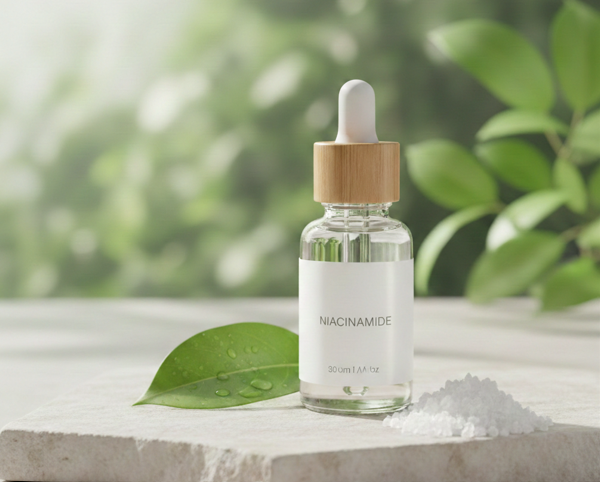
Niacinamide, also known as Vitamin B3, is a water-soluble vitamin that has become a staple in both mainstream and sustainable skincare. It’s gentle, effective, and suitable for almost all skin types, making it a favourite ingredient for eco-conscious routines.
Unlike harsh chemical alternatives, niacinamide works with your skin’s natural barrier to improve hydration, reduce blemishes, and even skin tone. What makes it especially appealing for sustainable skincare enthusiasts is that it’s stable in formulations, cruelty-free, and compatible with eco-friendly production methods
Top Benefits of Niacinamide in Skincare
1. Reduces Blemishes and Redness
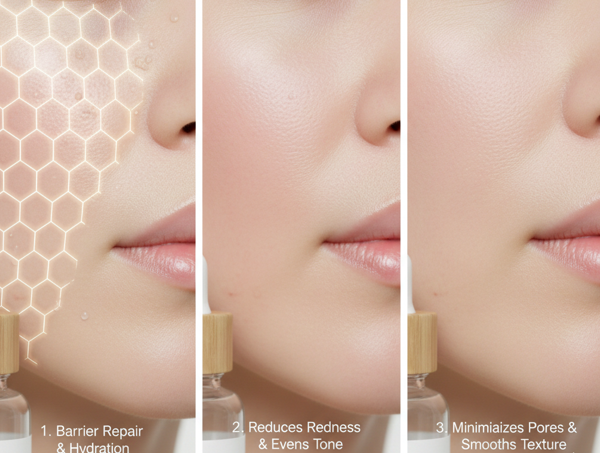
Niacinamide is known for its anti-inflammatory properties. It helps reduce redness, irritation, and visible blemishes, making it ideal for acne-prone or sensitive skin. Many sustainable skincare brands now include niacinamide in serums and moisturizers that are gentle yet effective.
2. Balances Oil Production
Overactive oil glands can lead to breakouts, but niacinamide helps regulate sebum production. By maintaining a healthy balance, it reduces shine and prevents clogged pores — a key step in sustainable skincare routines where minimal, gentle ingredients are preferred.
3. Strengthens the Skin Barrier
Niacinamide boosts ceramide production, improving hydration and protecting the skin from environmental stressors. This makes it an ideal ingredient for long-term skin health, especially when paired with other clean, eco-conscious ingredients.
4. Improves Skin Texture and Tone
Niacinamide promotes even skin tone by reducing discoloration and dark spots. Over time, consistent use can make the skin appear smoother, more radiant, and healthier — all without the use of harsh chemicals.
5. Safe for Sensitive Skin
One of niacinamide’s greatest strengths is its gentleness. Unlike some active ingredients like retinol or acids, it rarely causes irritation, making it a sustainable choice for anyone looking to adopt a clean skincare routine without compromise.
Why Niacinamide Fits into Sustainable Skincare
Sustainable skincare isn’t just about what’s in the bottle — it’s about how products are made and packaged. Niacinamide fits perfectly into this ethos:
- Non-toxic and cruelty-free formulations: Most brands using niacinamide avoid harmful chemicals and test their products ethically.
- Stable in eco-friendly packaging: Niacinamide works well in glass bottles or minimal plastic containers, supporting zero-waste principles.
- Versatility with other clean ingredients: It pairs safely with hyaluronic acid, natural oils, and plant extracts — so you can create effective, eco-conscious routines without unnecessary additives.
How to Incorporate Niacinamide into Your Routine
Niacinamide is incredibly easy to use. Here’s how to get the most out of it:
- Pairing: Works well with hyaluronic acid for extra hydration. Avoid layering with pure acids (like AHA/BHA) in the same application if you have sensitive skin.
- Concentration: Most effective in 2–10% concentrations. Beginners should start low to avoid sensitivity.
- Morning or Evening: Can be used in both AM and PM routines. Consistency is key for visible results. If using with Vitamin C, morning application is preferred.
Top Eco-Friendly Niacinamide Products
Here are some recommended, sustainable niacinamide products:
| Product | Description | Skin Type |
| EcoGlow Niacinamide Serum | 5% niacinamide, vegan, cruelty-free, glass packaging | All skin types |
| GreenBeauty B3 Moisturizer | Combines niacinamide + hyaluronic acid, plastic-free jar | Dry/Sensitive |
| True Botanicals Niacinamide Complex | 10% niacinamide, organic ingredients, sustainable production | All skin types |
Myths and Facts About Niacinamide
Myth 1: More niacinamide is better.
Fact: Higher concentrations don’t always yield better results. 2–5% is sufficient for sensitive skin; 5–10% is optimal for texture and tone improvement.
Myth 2: Niacinamide irritates the skin.
Fact: Rarely. Most people tolerate it well, but patch testing is recommended for very reactive skin.
Myth 3: Niacinamide can’t be used with Vitamin C.
Fact: Modern formulations allow safe layering. Use paired products at different times of day if irritation occurs.
Sustainability Tips for Using Niacinamide
- Check certifications: Look for COSMOS, Ecocert, or vegan seals.
- Reuse packaging: Many serums come in glass bottles — keep them for refills or DIY serums.
- Minimalist routines: Niacinamide can replace multiple harsh treatments, reducing the overall product load and waste.
DIY and Tips for Eco-Conscious Users
If you prefer low-waste skincare routines, here are some ideas:
- Reuse glass dropper bottles for serums
- Layer niacinamide with natural oils or aloe vera gel for hydration
- Check ingredient lists carefully to ensure products are cruelty-free and sustainably sourced
- Combine with plant-based cleansers to keep your routine effective yet eco-friendly.
These small adjustments make your skincare routine both effective and environmentally responsible.
Final Thoughts
Niacinamide is a versatile, gentle, and highly effective ingredient that belongs in every sustainable skincare routine. Its ability to reduce blemishes, strengthen the skin barrier, and improve texture makes it ideal for eco-conscious skincare enthusiasts. By choosing products with sustainable ingredients and packaging, you can care for your skin while supporting ethical beauty practices.
FAQs
Q1: What is the best concentration of niacinamide for my skin?
A: Most effective concentrations range from 2–10%. Beginners or sensitive skin types should start at 2–5%, while 5–10% works well for reducing blemishes, improving texture, and brightening skin tone.
Q2: Can I use niacinamide with other active ingredients?
A: Yes! Niacinamide pairs well with hyaluronic acid, antioxidants, and most moisturizers. It can be layered with Vitamin C, though some sensitive skin types may prefer to use Vitamin C in the morning and niacinamide in the evening. Avoid combining with strong acids (AHA/BHA) in the same application if you have sensitive skin.
Q3: Is niacinamide safe for sensitive skin?
A: Yes. Niacinamide is known for its gentleness and is rarely irritating. Start with a lower concentration to test your skin, especially if you have very reactive skin.
Q4: How long does it take to see results from niacinamide?
A: Most users notice improvements in texture, redness, and overall tone within 4–8 weeks of consistent use. Remember, patience and daily application are key.
Q5: Can niacinamide help with acne and blemishes?
A: Yes. Niacinamide has anti-inflammatory properties and helps regulate sebum production, making it effective for acne-prone skin. For best results, combine it with a gentle, sustainable skincare routine.
Q6: Why is niacinamide considered sustainable?
A: Niacinamide is eco-friendly, cruelty-free, and stable in formulations, meaning it works well in minimalist and sustainable products. It can replace harsher ingredients, reducing chemical load and environmental impact.
Q7: Can I use niacinamide every day?
A: Absolutely. Niacinamide is safe for daily use, both morning and evening. Start with a lower concentration if you’re new, then increase as tolerated.

